Airtable holding your app back?
Let's build you a real app + database.

Your bases quietly became the production backend of your business. We migrate the data to a real database — Postgres or Firebase — and build the actual app around it: forms, dashboards, permissions, and automations in code you own.

200+ products shipped · US-based team · free, no-pressure assessment
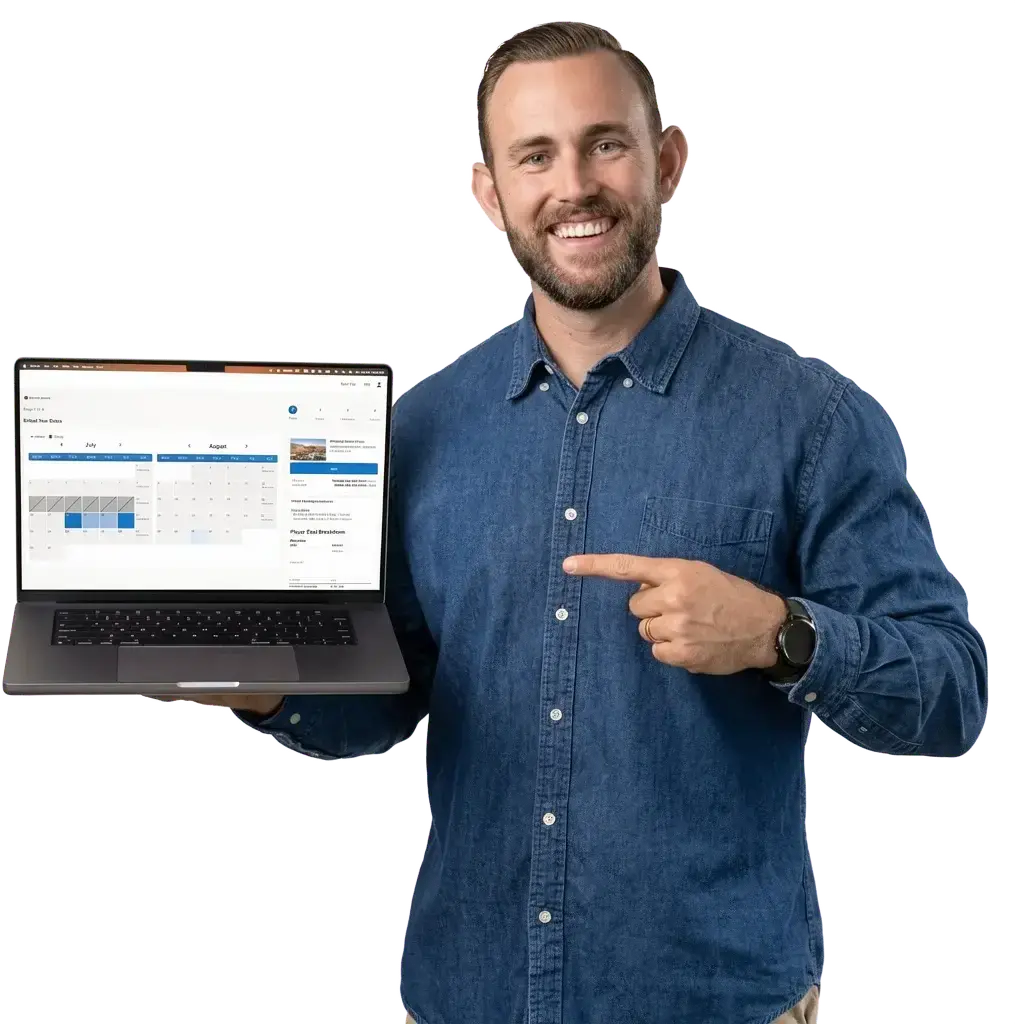
Alex Dow, founder of Let's Build My App

Sound familiar?

PER-SEAT PRICING ADDS UP

Every editor — and half the time every viewer — adds to the bill. Growing the team shouldn't mean renegotiating your software budget.

Seat math is the #1 reason teams call us about leaving Airtable

RECORD LIMITS CLOSING IN

Your busiest base is creeping toward its record cap, and the official advice is to archive or split it. That's your live business data.

A production database shouldn't need an archiving strategy

IT WAS NEVER MEANT TO BE AN APP

Airtable plus Softr plus Zapier plus Make got you to market. Now every new feature means wiring one more tool into an already fragile chain.

The glue stack costs more attention than a real app would

SYNC LAG EVERYWHERE

Automations fire minutes late, synced views show stale records, and API rate limits throttle every integration right when things get busy.

Real users notice when the data is minutes behind

ONE FIELD RENAME BREAKS EVERYTHING

No constraints, no transactions, no referential integrity. Someone renames a field and three automations quietly stop working.

A real database enforces the rules so people don't have to

NO REAL PERMISSIONS

Everyone with base access can see — and often edit — everything. Roles, row-level access, and audit trails simply aren't there.

In code, permissions are whatever your business needs them to be

Sometimes the answer is: stay on Airtable.

Airtable is genuinely great — a flexible spreadsheet-database a small team can shape without writing code, and we recommend it often. The problem isn't Airtable; it's the moment it quietly becomes the production backend of your business. When customers, revenue, and a stack of glue tools all depend on one base, you deserve a real database and a real app built around it. The free assessment tells you, straight, which side of that line you're on.

What running your app actually costs

Staying on Airtable After migrating to code
Platform / hosting Per-seat plans — the bill grows with every editor you add Firebase or Supabase, typically $25–$100 per month
Usage overage Record caps per base and API rate tiers that gate your growth Usage-based pricing you can cap, alert on, and predict
New features Limited to interfaces, extensions, and one more glue tool on top Anything you can spec, your team or any developer can build
Ownership Your data lives inside someone else's product — you rent access Your repo, your data, your infrastructure

Ranges reflect typical small-to-mid teams; your free assessment includes numbers for your actual bases and usage.

How the migration works

FREE MIGRATION ASSESSMENT

We look at your bases, your automations, and the tools stacked on top — then give you a straight verdict: stay on Airtable, migrate fully, or move just the parts that hurt — with a fixed quote and timeline.

If staying is the right call, we'll tell you. For free.

MAP YOUR BASES

We document every table, field, linked record, automation, and connected tool — Zapier, Make, Softr, all of it — before a line of code gets written. Nothing gets lost in translation.

The glue stack gets mapped too, not just the data

MIGRATE + BUILD IN REAL CODE

Senior developers move your data to Postgres (Supabase) or Firebase and build the actual app around it — forms, dashboards, permissions, and automations in production-grade React + TypeScript. Weeks, not months.

One app replaces the whole tool chain

RUN IN PARALLEL

Airtable keeps running while we verify every record and workflow in the new app against it. Your team tests everything before anything changes.

Zero downtime, zero leap of faith

CUT OVER CLEAN

We switch your team over, hand you the GitHub repo, and stay on for post-launch support. You own every line of the code — and every row of the database — from day one.

Your app, your code, your infrastructure

What you get

A CODEBASE YOU OWN

A GitHub repo in your name — standard React + TypeScript any developer can pick up. No per-seat pricing, no vendor lock-in, ever again.

React + TypeScript / Supabase or Firebase / Your repo, your data

A REAL DATABASE UNDERNEATH

Postgres or Firebase with constraints, transactions, and row-level permissions — every record migrated from your bases and verified.

Verified against your live Airtable data before cutover

FIXED PRICE, US-BASED TEAM

A fixed quote before we start, built by senior US-based engineers — with hosting measured in dollars, not seats.

Know the full cost before you commit

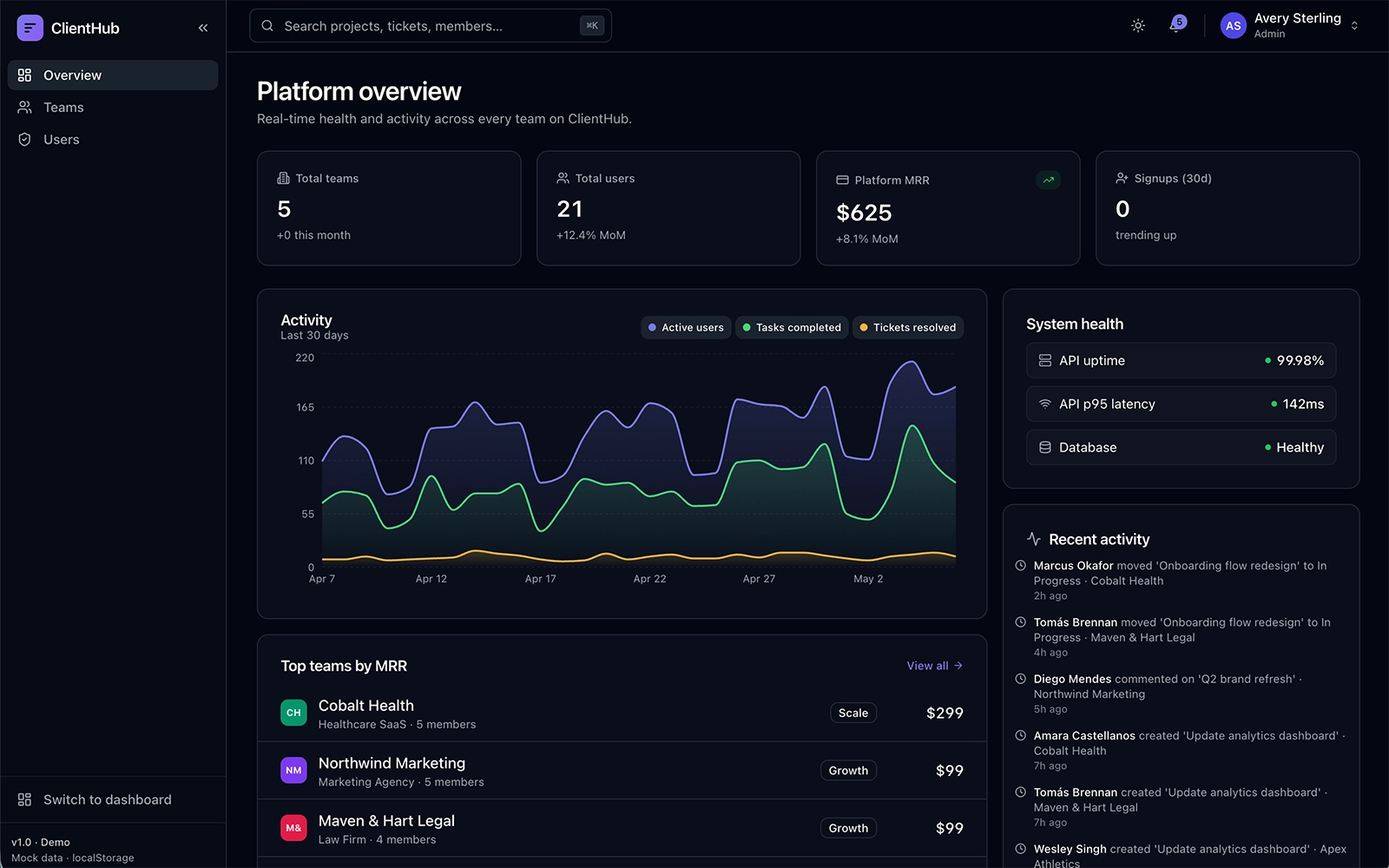
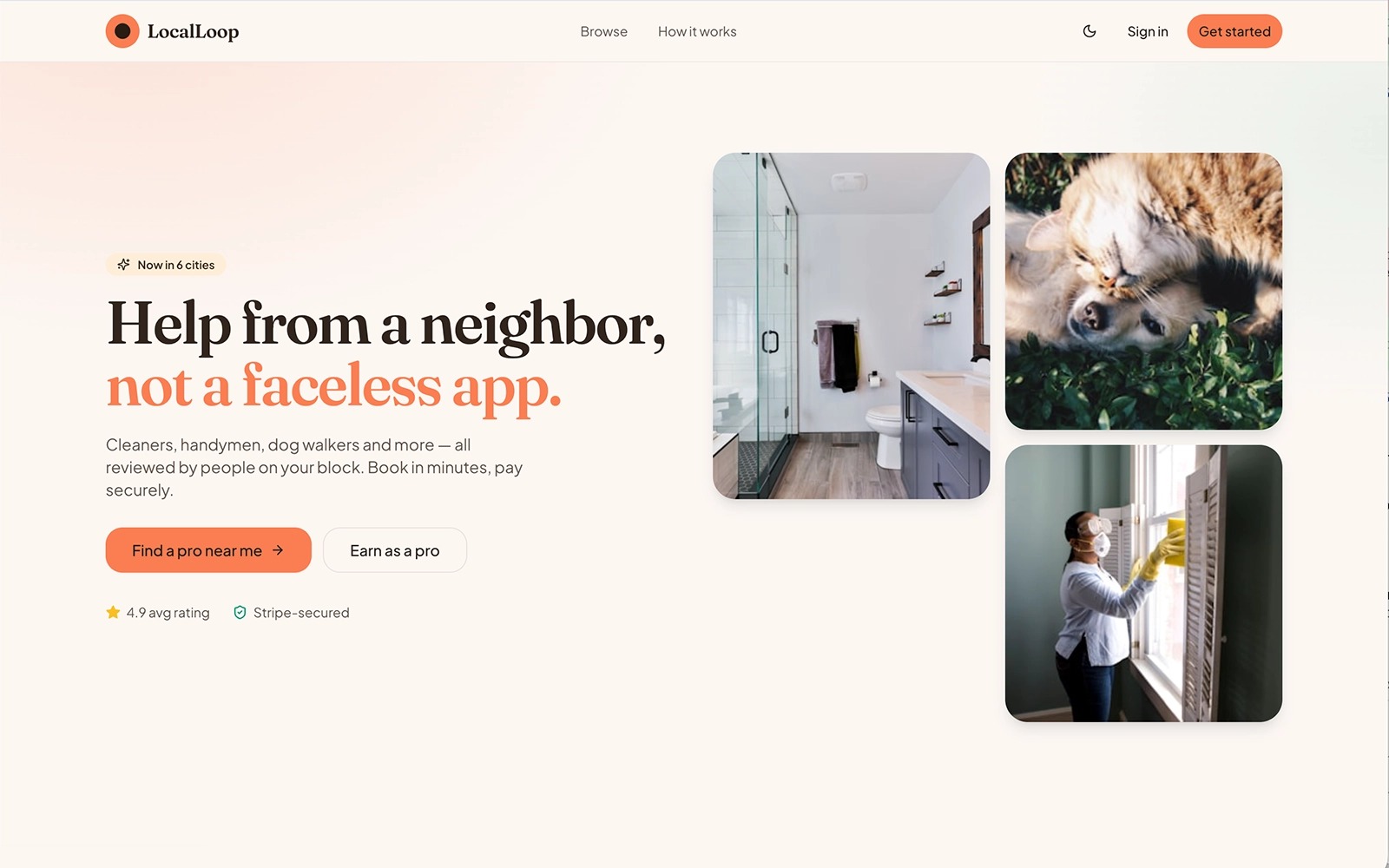
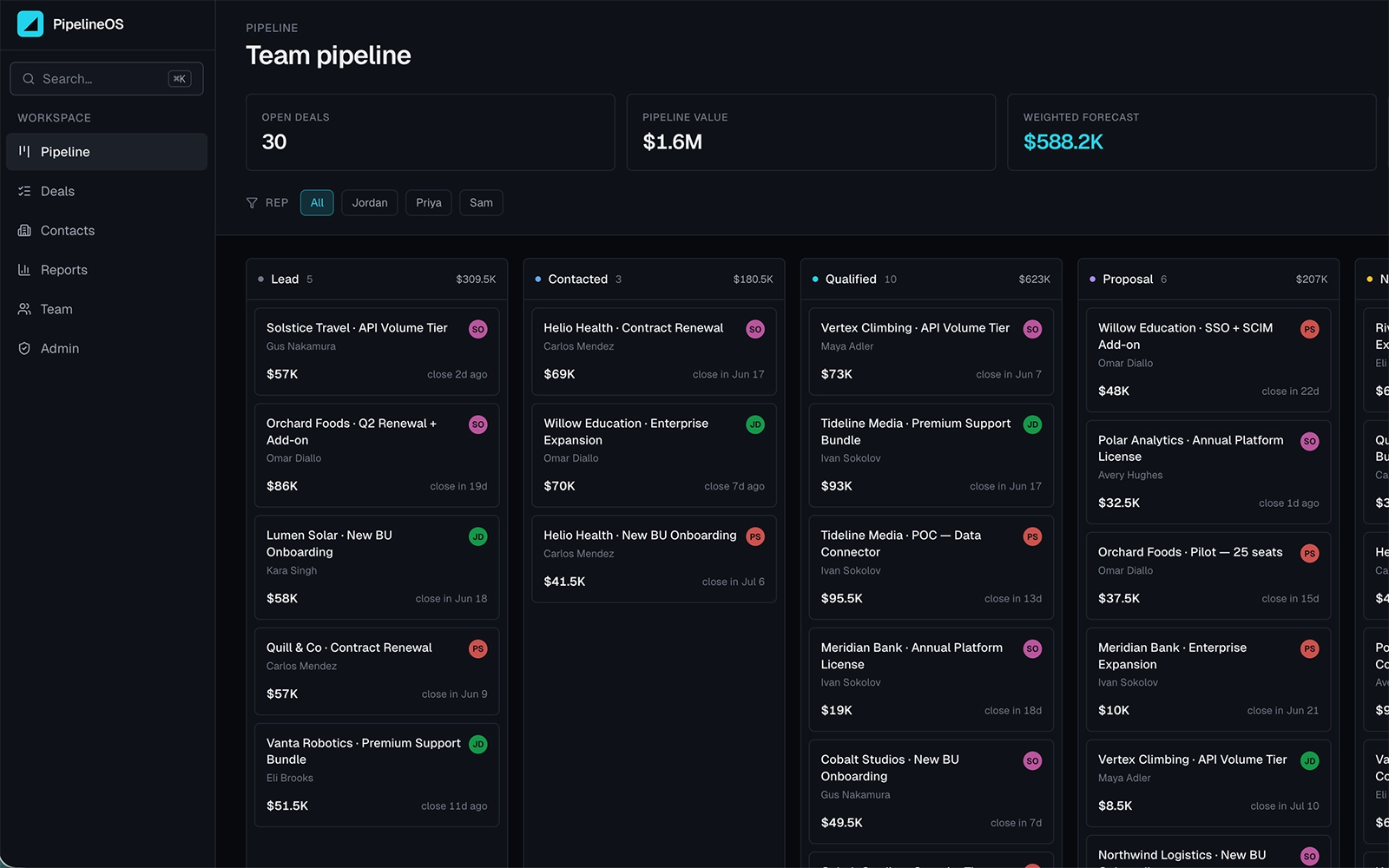
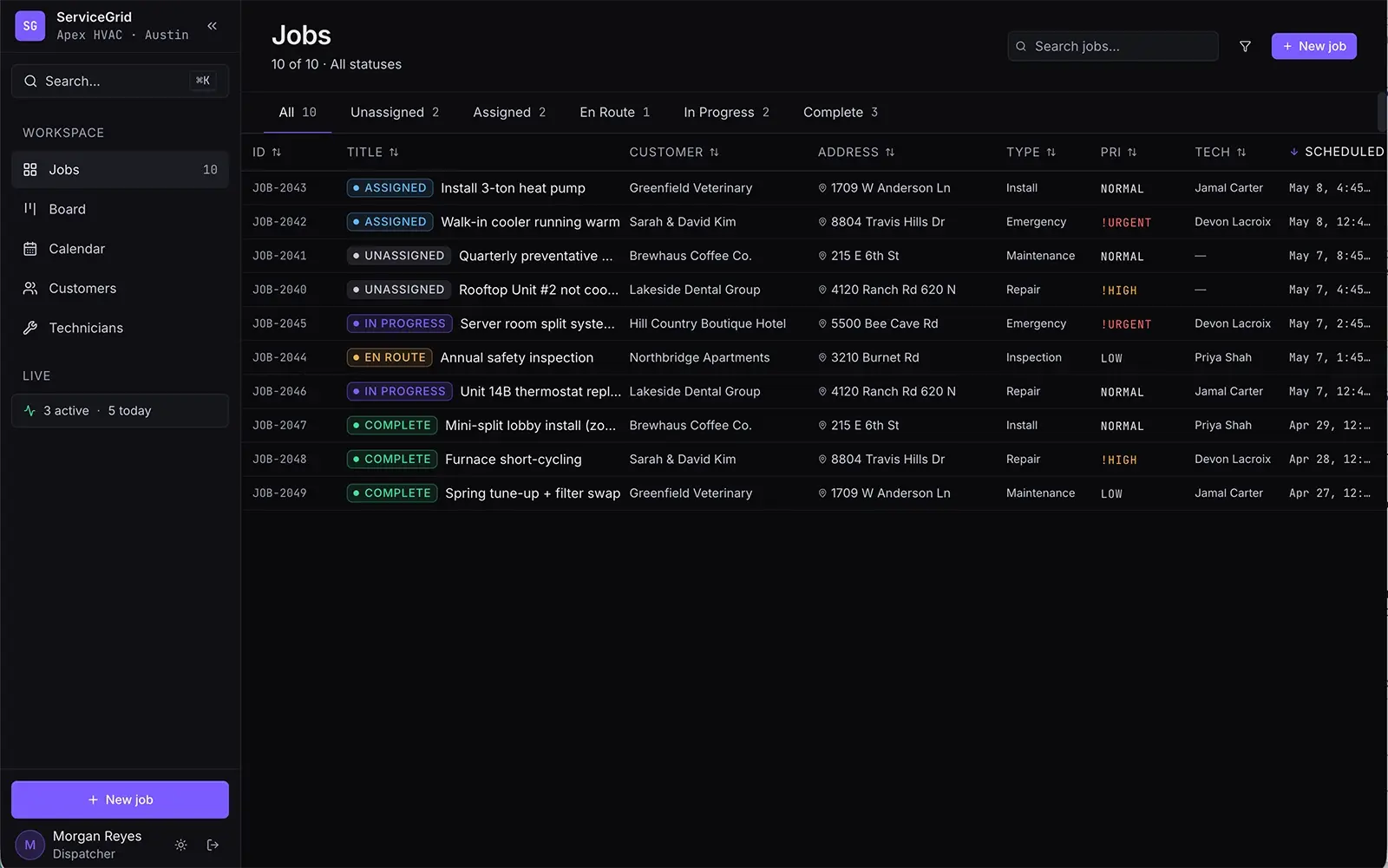
No-code apps we've already moved to code

Foodie Follower logo

A restaurant discovery and creator marketplace, migrated from Bubble to React + Firebase — then taken somewhere Bubble never could: a native iOS app with in-app subscriptions.

Bubble → React + Firebase + native iOS
See the live app →
CScore logo

A clinician scoring platform rebuilt from Bubble into production code with Stripe billing — now serving healthcare clients on infrastructure the founders own.

Bubble → React + Firebase + Supabase + Stripe
See the live app →
People Cost logo
People Cost
WORKSPACE

A workforce cost-planning tool moved off Bubble onto React + TypeScript and Firebase, with Stripe subscriptions carried over without missing a billing cycle.

Bubble → React + TypeScript + Firebase + Stripe
See the live app →

A team of senior US engineers

Let's Build My App is a team of senior, US-based engineers who have worked together for years. No offshoring, no freelancer marketplaces, no juniors learning on your project. The same people who design your platform build it, review it, and ship it, so nothing falls through the cracks between teams who have never met.

200+

custom products shipped, and counting

100%

US-based senior engineers

35+ yrs

of combined software development experience

0

handoffs between teams who've never met

Got a question?

We have answers.

How much does an Airtable to custom app migration cost?

It depends on how many bases, automations, and connected tools are involved — most projects land in the range of a 4–10 week build. The free migration assessment gives you a fixed quote up front, before any work starts.

What happens to our Airtable data?

We migrate it to Postgres (Supabase) or Firebase with verification passes along the way — every table, linked record, and attachment. Nothing gets deleted from Airtable until you've signed off on the new app.

Do we keep working in Airtable during the build?

Yes. Your team keeps using Airtable and the tools on top of it the whole time. We build the new app in parallel, migrate and verify the data, and only cut over when everything checks out.

What happens to our Zapier, Make, and Softr setup?

Those workflows become real features. The automations move into code, where they run reliably without per-task fees, and the interfaces built in Softr or Interface Designer are replaced by the app itself.

Will you tell us if we should just stay on Airtable?

Yes — and we often do. Airtable is a genuinely great flexible database for small teams, and if it still fits how you work, the assessment will say exactly that, for free.

Find out what your business
looks like after Airtable.

A free assessment with Alex: a straight verdict on whether Airtable still fits, a fixed quote if it doesn't, and zero pressure either way.

Alex Dow, founder of Let's Build My App